
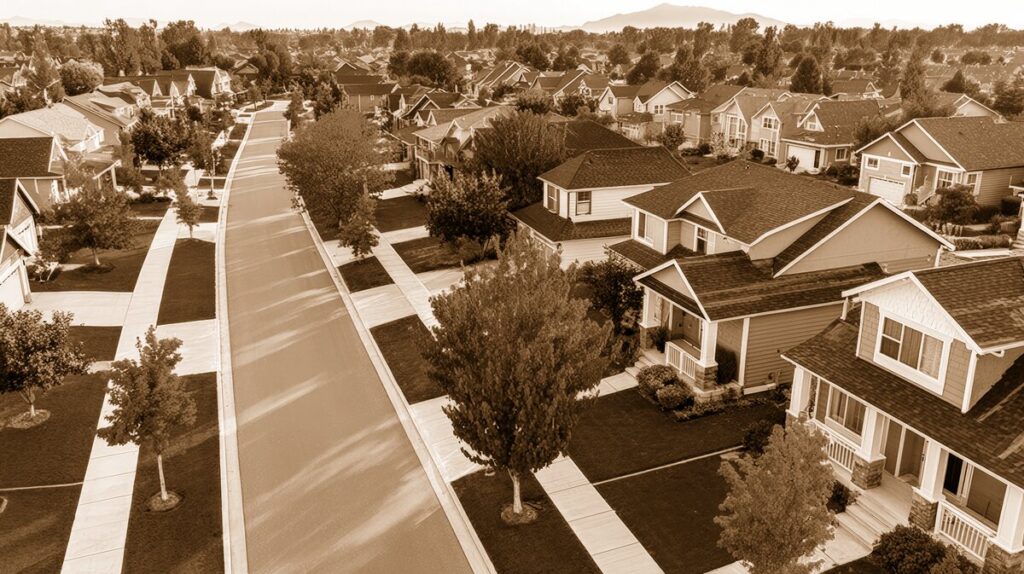
A Neighborhood Rooted in Princeton’s Past
Nestled on the northern reaches of Princeton, Indiana, Lafayette Park stands as more than just a collection of houses and tree-lined streets—it is a living chronicle of the city’s evolution. Overlooking the gentle green of its eponymous park and flanked by the hum of North Main Street, the neighborhood brims with generations of stories, echoes of laughter from old playgrounds, and the resilience of a community that has always cherished its ties to the past.
The Story Behind the Name
The Lafayette Park neighborhood honors the spirit of General Marquis de Lafayette, the revered French hero celebrated for his Revolutionary War service alongside George Washington. During America’s centennial in the late 19th century, communities across the nation strove to commemorate Lafayette’s legacy, and Princeton was no exception.
In the late 1800s, when city planners decided to develop a residential district north of Princeton’s courthouse square, they chose to name both the sweeping public green and the growing neighborhood after Lafayette. This decision reflected the optimism of the age—hopes for civic pride, unity, and forward-thinking progress.
Early Days: From Farmland to Family Homes
Once predominantly farmland, the area that became Lafayette Park began its transformation in the 1880s, following the expansion of the railroad and the widening of North Main Street. Early maps reveal the slow but steady appearance of new streets like Lafayette Avenue, Gibson Street, and Broadway, each etched by the craftsman hands of new arrivals—immigrants and native-born Hoosiers alike—seeking opportunity.
By the turn of the century, the neighborhood was taking shape, with stately homes rising on large lots and shaded lanes becoming favorite routes for Sunday strolls.
Architectural Heritage and Notable Landmarks
What sets Lafayette Park apart is the rhythm of its built environment—a heritage best seen in the architecture that lines its streets:
- Broadway United Methodist Church: Erected in the 1920s at the corner of Broadway and Gibson, this stone-clad sanctuary has long been a beacon for faith and fellowship, hosting everything from holiday food drives to annual picnics in the park.
- Historic Craftsman Homes: Many houses in Lafayette Park reflect the American Craftsman style—wide porches, sturdy columns, and intricate woodwork—signs of the neighborhood’s early-20th-century prosperity.
- The Lafayette Park Pavilion: Once the site of summer band concerts and community ice cream socials, the brick pavilion remains the neighborhood’s heart, greeting visitors with memories of simpler times.
The park itself—12 acres of grassy lawns, mature oaks, and playgrounds—has welcomed generations of children and families for everything from Little League games to Easter egg hunts.
A Neighborhood in Transition: The Mid-Century Years
The 1950s and 60s brought changes both subtle and profound. As Princeton’s industries boomed with the arrival of the Toyota plant and other employers, Lafayette Park saw new families move in, drawn by the promise of quiet streets (like Willow Drive and Lafayette Avenue) and strong community bonds. The Lafayette Park Elementary School was built in 1963 to serve the growing population, further cementing the area’s role as a family-centered neighborhood.
During these decades, Lafayette Park became known for its block parties and Fourth of July parades, where neighbors would decorate bicycles, set up lemonade stands, and cap the evening with homemade fireworks on the park’s rolling lawns.
Present Day: Vibrant Tradition Meets Fresh Energy
Today’s Lafayette Park seamlessly blends tradition with youthful energy. While older homes are carefully restored, many have also been renovated with modern touches, reflecting the neighborhood’s commitment to honoring its past while embracing the future.
- Lafayette Park Elementary remains a cornerstone, fostering generations of Tigers with its strong academics and neighborhood involvement programs.
- Annual Neighborhood Festival: Still held every fall, this event invites the whole community for food trucks, music in the park, and a local history walk led by longtime residents.
- Community Watch and Beautification Committees help preserve the safety and charm that have always defined the area.
Visitors and new residents alike remark on Lafayette Park’s welcoming spirit—the sense that you’re not just moving to a place, but joining a tradition. On any given weekend, you might find families flying kites, teens playing basketball on the refurbished courts, or retirees swapping gardening tips along Gibson Street.
Treasured Institutions and Streets of Memory
Certain streets and spots stand out as anchors in Lafayette Park lore:
- Main Street: The northern spine of Princeton, running past the edges of Lafayette Park and providing easy access downtown and to Highway 41.
- Lafayette Ave: One of the first thoroughfares laid out, lined with sycamore trees and home to some of the neighborhood’s oldest architecture.
- Faith Community Center: A newer addition, this gathering place has quickly become a favorite for after-school programs and family movie nights.
- Historic WPA Stone Bridge: Built as part of the Works Progress Administration projects during the Great Depression, the small stone bridge at the park’s western entrance stands as a rugged reminder of neighbors helping neighbors through hard times.
Heritage That Endures
Lafayette Park’s appeal is timeless: a neighborhood where children still play outside until the streetlights glow, where porch swings squeak gently on summer nights, and where each generation cherishes the place they call home.
In sharing its history, Lafayette Park offers more than nostalgia—it offers a blueprint for community, resilience, and the quiet pride that comes from knowing you’re part of something lasting. Whether you grew up here, are new to town, or just passing through, spend an afternoon exploring Lafayette Park’s leafy lanes and storied streets. You’ll discover what makes this corner of Princeton so special, and why its history continues to shape the city’s future.